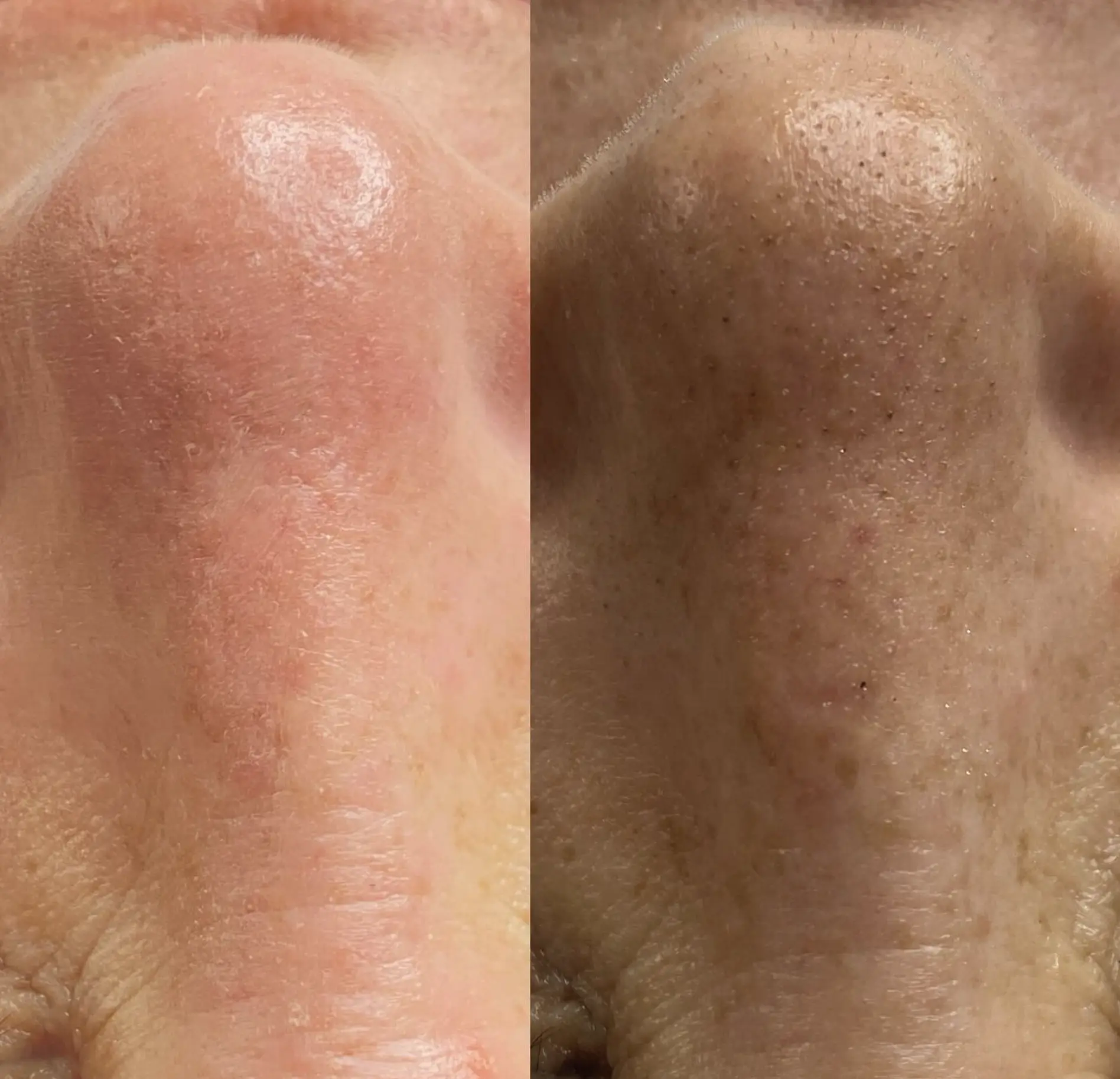
Hydrafacial Safety: Who Should Say No?
Hydrafacial safety: who should say no? One of the most important conversations we need to have before you ever get treated is who should actually lay off the Hydrafacials.
The Facial Hub has seen hundreds of clients with all sorts of skin types and conditions – from London’s Mayfair to right here in Brisbane. And you know what I’ve learned? The best treatment for your skin is actually the one that your skin is ready for – not the one that’s trending, not the one your friend is raving about, and defo not the one that a salesperson is pushing on you without a proper chat.
Now, let’s get real and make sure you can make confident decisions about your skin without all the unnecessary fluff.
Contents
- 1 How This Machine-Based Facial Actually Works
- 2 When Your Skin Is Already Asking For Less, Not More
- 3 Internal Factors That Change How Your Skin Responds
- 4 Why Brisbane’s Climate Changes The Way Skin Behaves
- 5 Suitability Snapshot: When To Proceed Or Press Pause
- 6 What Current Trends Tell Us About Skin Treatments
- 7 How To Decide If Your Skin Is Ready
- 8 What We Focus On Instead Of One-Size-Fits-All Treatments
- 9 Gentler Options That Support Skin Without Overstimulation
- 10 Why Quick-Fix Thinking Often Backfires
- 11 A Final Word On Choosing The Right Treatment
- 12 FAQ
How This Machine-Based Facial Actually Works
Before even considering whether this is the treatment for you, it’s a good idea to understand what’s going on beneath the surface.
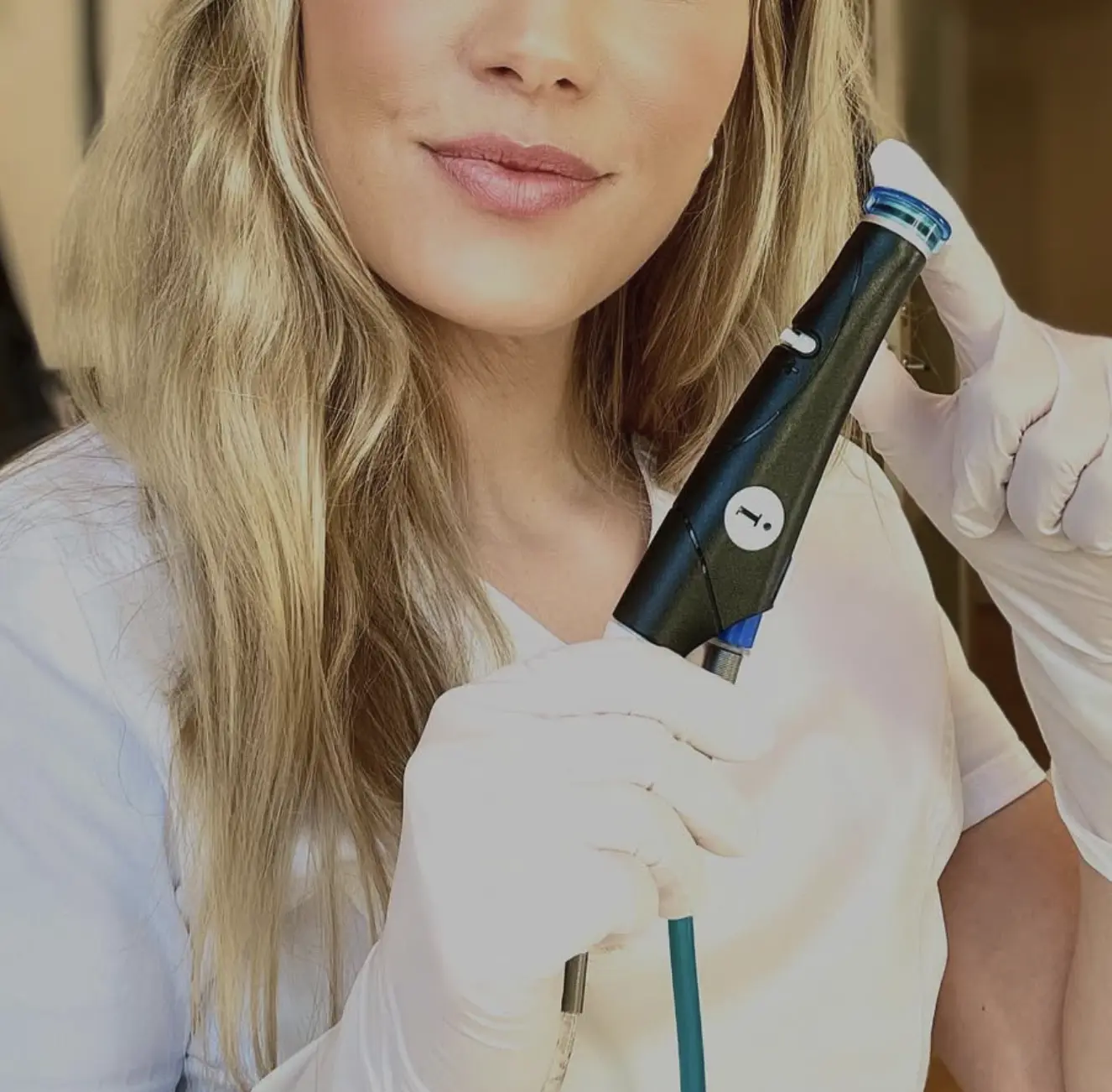
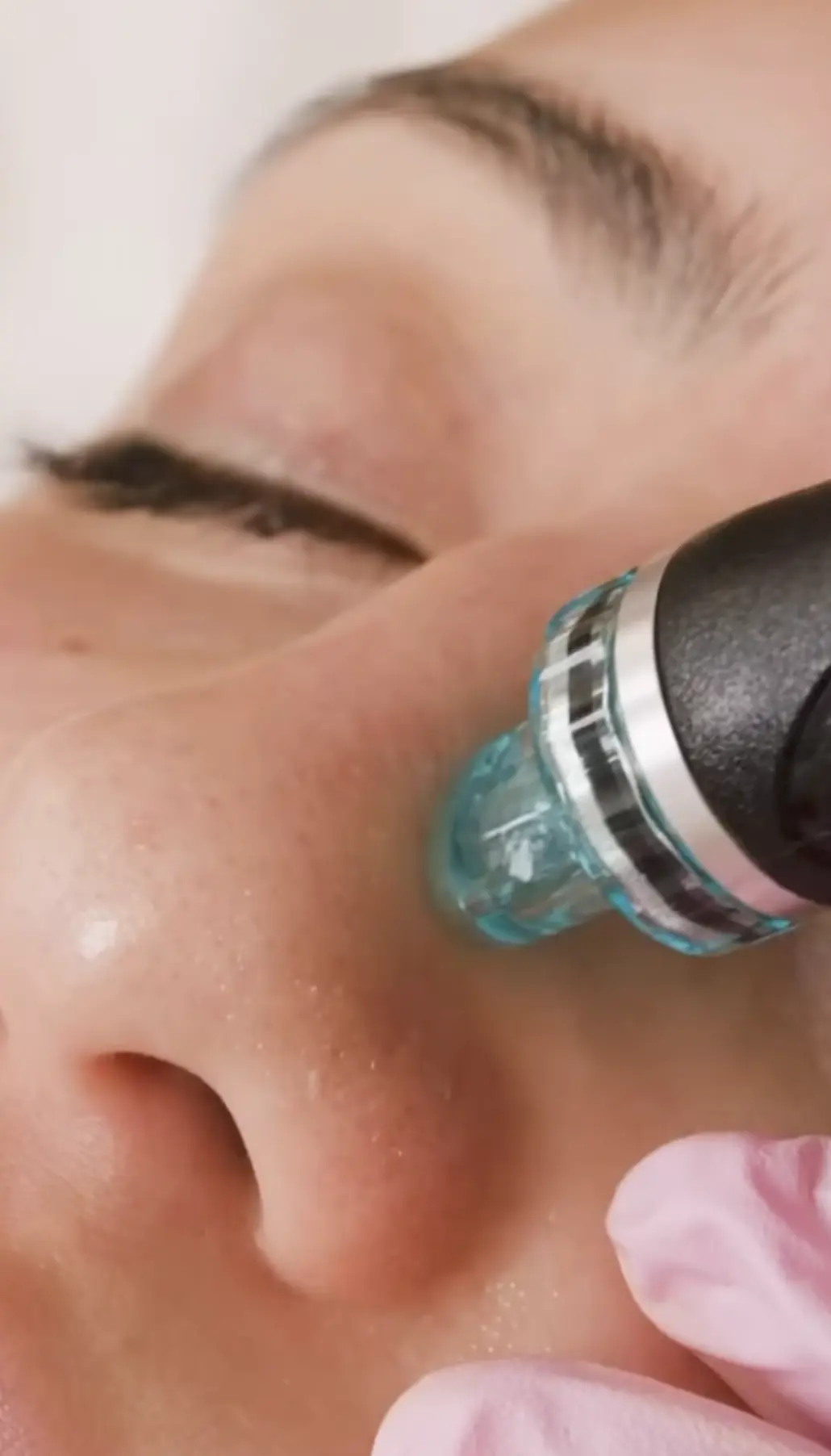
This machine-based facial is a non-invasive procedure that uses smart technology to combine exfoliation, vacuum suction, and dermal infusion. Lots of clients just call it a hydra facial, especially when they want a quick glow before a big night out.
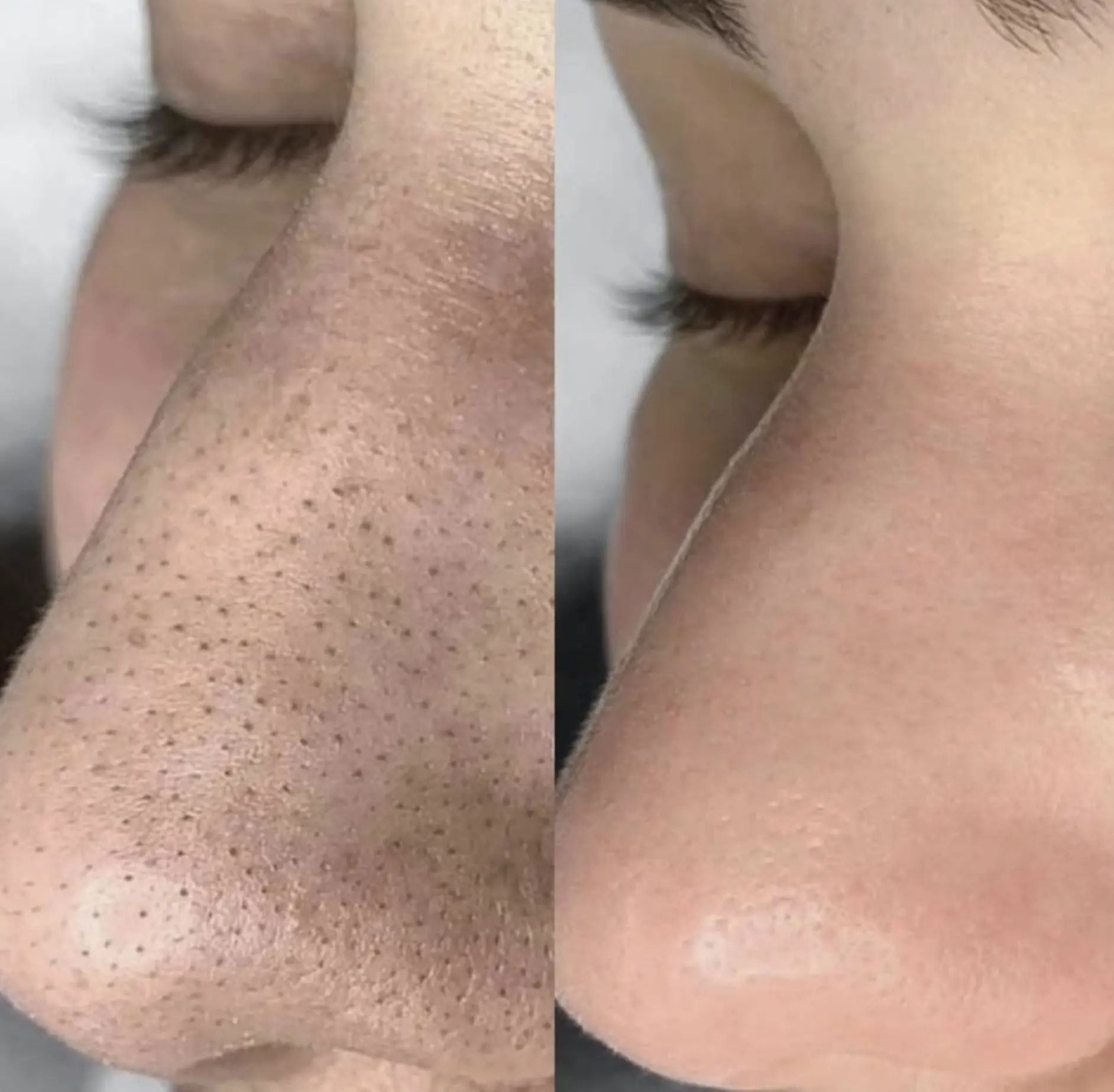
Here’s what happens: it removes debris while delivering active ingredient serums – like hyaluronic acid and antioxidants – directly into the skin. When done properly, a hydra facial can do all sorts of good things for your skin – it can help rejuvenate it, improve its texture, soften fine lines and give it a nice boost of hydration.
But the results only happen when your skin is actually in the right condition for it.
When Your Skin Is Already Asking For Less, Not More
Now this is where things get real. I slow things down with clients when I think that their skin just isn’t ready for another treatment. And sometimes, that isn’t because of the treatment itself, it’s just that the skin needs to recover.
There are plenty of moments when an otherwise great professional facial can actually make an existing skin condition worse rather than better.
Inflamed Or Compromised Barrier
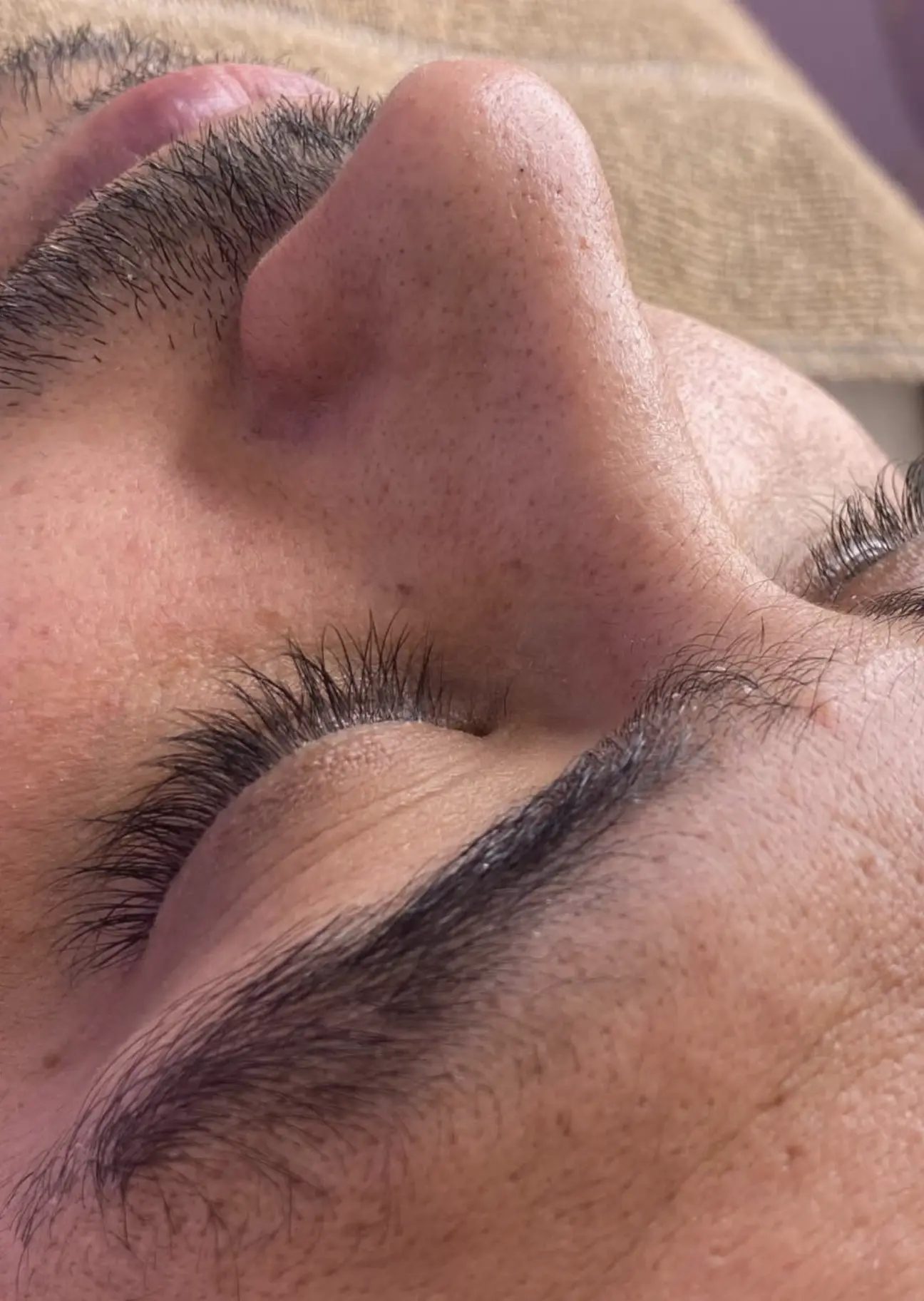
If your skin barrier is a bit wonky – e.g., from overdoing the exfoliants, glycolic acid or even a recent chemical peel – introducing more stimulation can lead to irritation or allergic reactions. I’ve seen this happen loads in Brisbane, particularly when clients get a bit carried away with their skincare routine and mix too many actives.
When the barrier is fragile, it’s all about repair first and foremost – before you even think about advanced treatments.
Breakouts That Need Medical Support
Active acne, especially cystic acne, requires a gentler approach.
Using vacuum suction on inflamed areas just makes it worse – it can spread bacteria and increase the risk of skin infection. In these cases, what you need is a structured plan that might include things like benzoyl peroxide or advice from a medical professional.
Conditions Involving Redness Or Fragility
If you’re already prone to sensitivity, have broken capillaries or reactive skin, then a treatment like this can just make things worse – especially if your skin is already a bit delicate or has some underlying allergies.
This is especially the case for clients with sensitive skin or skin allergies – in those cases, even gentle treatments need to be approached with a bit more care and caution.
Internal Factors That Change How Your Skin Responds
The state of your skin Intrinsic and lifestyle factors that can really impact how your.
Health Conditions And Medications
People managing conditions like autoimmune diseases, or who are going through radiation therapy, or dealing with other health issues, often end up with skin that is way more reactive than normal.
For this reason, getting a proper assessment before you undertake any skin procedure is essential.
Recent Cosmetic Work
If you’ve just had a treatment like dermal fillers, laser work, or even a chemical peel, your skin needs time to settle down before you can start layering treatments on top of it.
Rushing into another treatment before your skin is ready can compromise the outcome and make it a whole lot more sensitive.
Hormonal Shifts And Pregnancy
Hormonal changes bring all sorts of changes to the skin – particularly when it comes to oil production, hydration, and how sensitive you are.
Even things that you might be used to – like hyaluronic acid or some of the active ingredients in your favourite serum – can behave in a really unpredictable way during these phases, which is why you need to get your treatment plan adjusted.
Why Brisbane’s Climate Changes The Way Skin Behaves
Where you live makes a bigger difference than most people give it credit for.
In Brisbane, the humidity, UV exposure, and how you live your life all have a big impact on how your skin responds to treatments.
- Summer: There`s a lot more oil being produced under a layer of dehydration.
- Winter: Your skin barrier is going to be much more fragile, and you’re much more sensitive.
- Year-round: You need to be wearing broad-spectrum sunscreen (at least SPF 30) all the time.
I often see clients who want to have treatments right after a session in the sun. In those situations, focusing on getting your skin hydrated and repairing the barrier is going to deliver way better long-term results than trying to tackle it head-on.
Suitability Snapshot: When To Proceed Or Press Pause
| Skin Situation | Recommended Approach | Reason |
|---|---|---|
| Balanced, healthy skin | Suitable | Supports hydration and glow |
| Mild congestion | Suitable | Assists with pore clarity |
| Reactive or sensitive skin | Proceed with caution | Risk of irritation |
| Inflamed breakouts | Avoid temporarily | Can worsen the condition |
| Redness-prone skin | Avoid during flare-ups | May increase flushing |
| Recently treated skin | Delay | Barrier needs recovery |
What Current Trends Tell Us About Skin Treatments
Demand for non-invasive treatments is on the up, with a whopping 70% of all aesthetic treatments now non-surgical (Statista, 2025-2026 estimates). This includes treatments that help with hydration, taking the rough off with exfoliation, and just generally giving your skin a bit of a revamp.
But all that popularity doesn’t necessarily mean it’s suitable for your skin.
How To Decide If Your Skin Is Ready
Rather than just asking the popular question – “Is this treatment popular?” – I always ask my clients to think about whether their skin is actually ready.
- Is your skin in a good place, calm and balanced?
- Have you been using any strong products or exfoliants recently?
- Are you getting any signs of irritation or sensitivity?
- Is your current skincare routine supporting your skin barrier?
If any of those questions come back with a ‘maybe’ or a ‘no’, it’s probably worth holding off and reassessing before you proceed.
What We Focus On Instead Of One-Size-Fits-All Treatments
At The Facial Hub, we don’t go down the one-size-fits-all route. Every appointment starts with a chat about your skin, lifestyle, and history with skincare treatments. Sometimes this means adjusting our approach – or even ditching the original plan altogether – to make sure we’re putting your skin’s long-term health first. health first.
Gentler Options That Support Skin Without Overstimulation
When your skin isn’t ready for the more hardcore treatments, there are still plenty of ways to support it.
- Barrier-repair facials to give it a bit of TLC
- LED therapy to calm down any inflammation
- Hydrating treatments that don’t involve suction
- Treatments that are tailored to your individual skin needs and issues
These gentler options can actually lead to stronger, more stable skin over time.
Why Quick-Fix Thinking Often Backfires
Everyone’s after that instant glow these days, but the truth is – skin doesn’t work like that.
I’ve had clients come to me wanting a quick fix for fine lines, acne scars or dullness, but pushing the skin too hard just leads to more problems.
The best results I’ve seen come from taking it slow, supporting the skin barrier, and building consistency over time.
A Final Word On Choosing The Right Treatment
This treatment can be amazing when used at the right time and on the right skin. But understanding when to back off is just as important as knowing when to give it a go.
If you’re unsure, don’t worry – that’s actually a really good sign. It means you’re listening to your skin.
FAQ
Can this kind of facial cause skin reactions?
Yes, especially if your skin barrier is a bit compromised or you’re sensitive to certain ingredients. Doing a proper assessment beforehand reduces the risk.
When’s the best time to book this treatment after being in the sun?
It’s best to wait at least a week and make sure your skin is no longer all reactive and tight before going ahead.
Is this suitable for super-sensitive skin?
Not always. In many cases, it’s better to go for treatments that focus on calming and repairing the skin first.
What should you avoid doing straight after the treatment?
Try to avoid exfoliating products and strong actives, and make sure you’re sticking to your broad-spectrum sunscreen with SPF 30 or higher.
How does this compare to the more intense procedures?
It’s a more superficial treatment that focuses on hydration and making your skin look clearer, whereas more intense treatments tackle deeper issues like pigmentation or acne scarring.