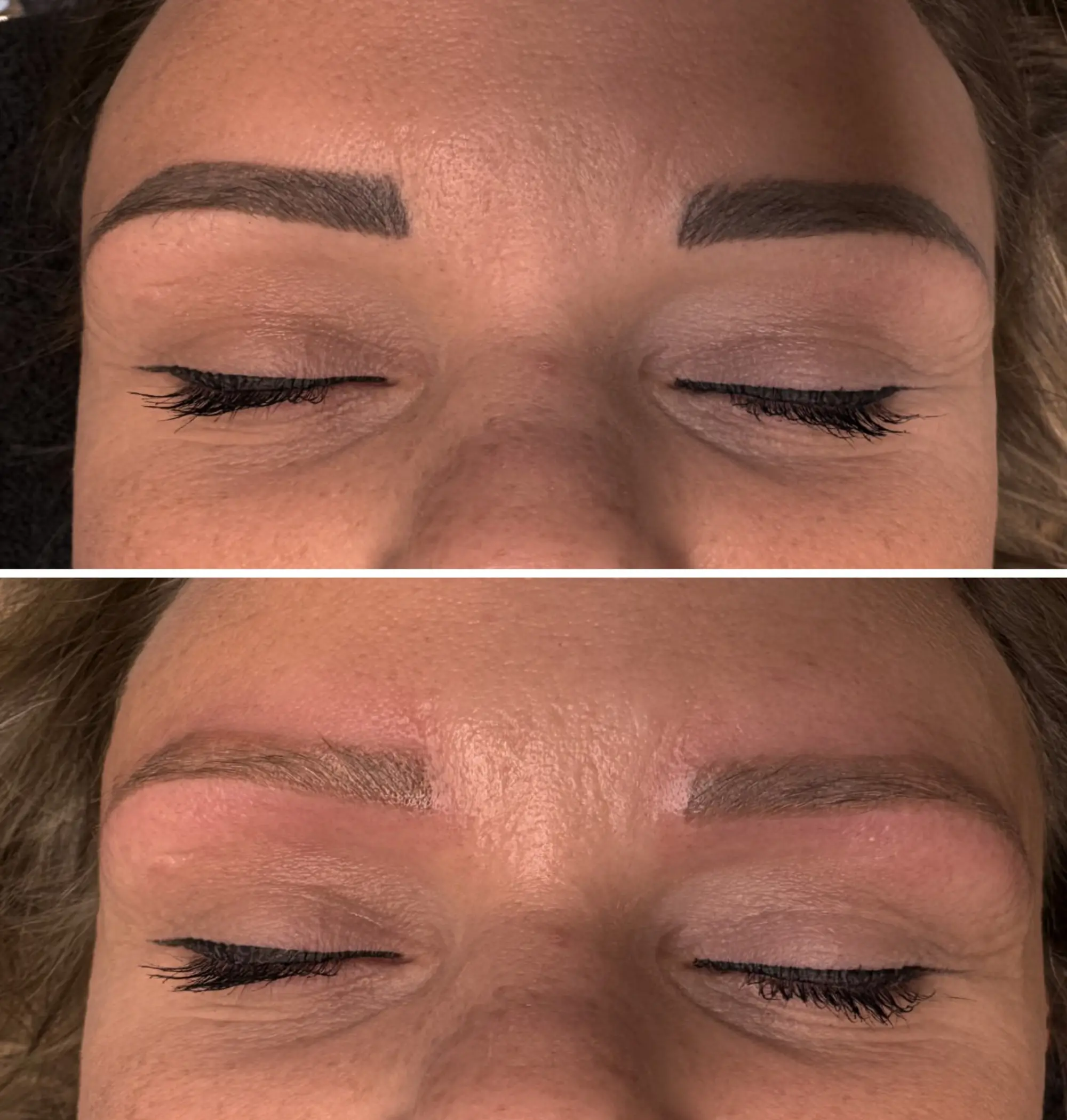
What Are The Best Aftercare Protocols Taught In The 2026 Course To Prevent Hyperpigmentation?
What are the best aftercare protocols taught in the 2026 course to prevent hyperpigmentation? It’s one of the most common questions I hear from clients who want safe pigment correction without trading one issue for another. As Olha Po, founder of Cosmetic Tattoo Studio Melbourne Face Figurati, I can tell you plainly: removal success is not just about the machine, saline solution, or technique used on the day. It is about how the skin is managed afterwards.
Whether it’s laser removal, saline lifting, or another approved technique, the recovery period is every bit as important as the treatment itself. So why does hyperpigmentation tend to pop up after cosmetic tattoo removal? Well, basically, when the skin gets inflamed, overheated, sun-exposed, or not managed properly during healing, that’s when it starts to appear.
I see this all the time at our Melbourne studio, especially in the summer when UV goes through the roof, and people go outside for just a minute because they think they can – and they can’t. That minute outside in Australian conditions can be a costly mistake.
Contents
- 1 Why Skin Darkening Can Happen After Pigment Correction
- 2 Who Is More Prone To It?
- 3 What Most People Get Wrong
- 4 What Catches Clients Off Guard
- 5 Pre-Appointment Habits That Help Skin Recover Better
- 6 Recommended Preparation Steps
- 7 Daily UV Protection Is Your Best Insurance Policy
- 8 Gold Standard Protection Plan
- 9 Barrier Support Works Better Than Overdoing Products
- 10 Ideal Moisture Balance
- 11 Common Mistakes During The Flaking Stage
- 12 Never Pick Or Peel
- 13 Pause Strong Skincare
- 14 Delay Heat And Sweat
- 15 Why Laser Clients Need Extra Cooling And Patience
- 16 A Real Melbourne Example From The Studio
- 17 What Better Training In 2026 Focuses On
- 18 Modern Course Priorities
- 19 Signs You Should Check In With Your Practitioner
- 20 Final Thoughts From Olha Po
- 21 FAQ
Why Skin Darkening Can Happen After Pigment Correction
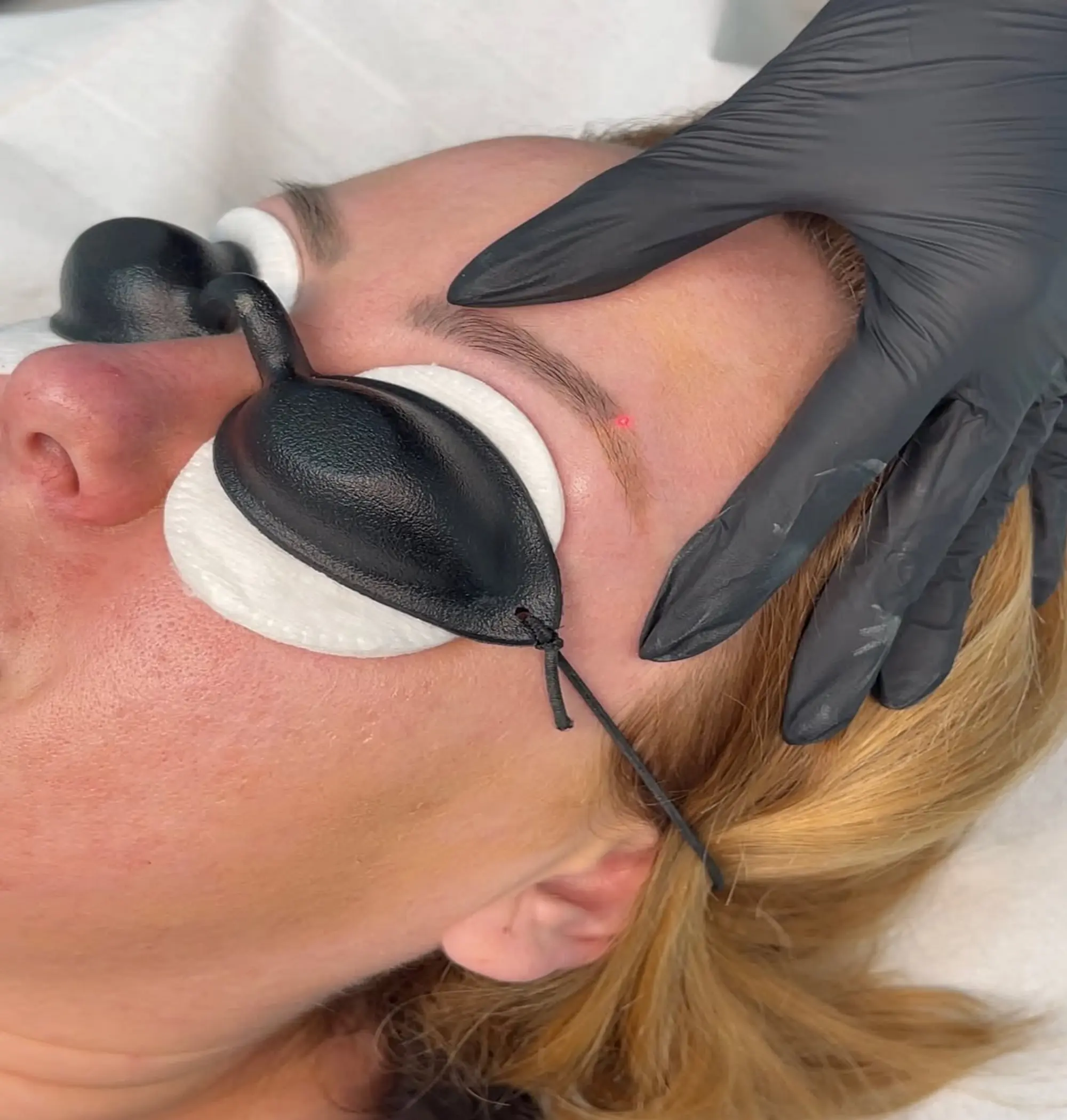
The real reason skin darkens after removal is inflammation caused by excess melanin. The skin gets irritated, and so it produces extra pigment, which can show up as brown or greyish patches – or just plain shadowing.
Who Is More Prone To It?
- Medium to deep skin tones
- Clients with previous post-inflammatory pigmentation
- Hormonal pigmentation history
- Frequent sun exposure
- Clients who pick, rub, or over-clean the area
- People who resume sweating, gym, or swimming too early
What Most People Get Wrong
People always assume only the darker skin tones are at risk. Still, I’ve seen guys and gals with very fair skin develop awful patchy colouring after getting caught out in the Melbourne sun during healing without proper protection.
What Catches Clients Off Guard
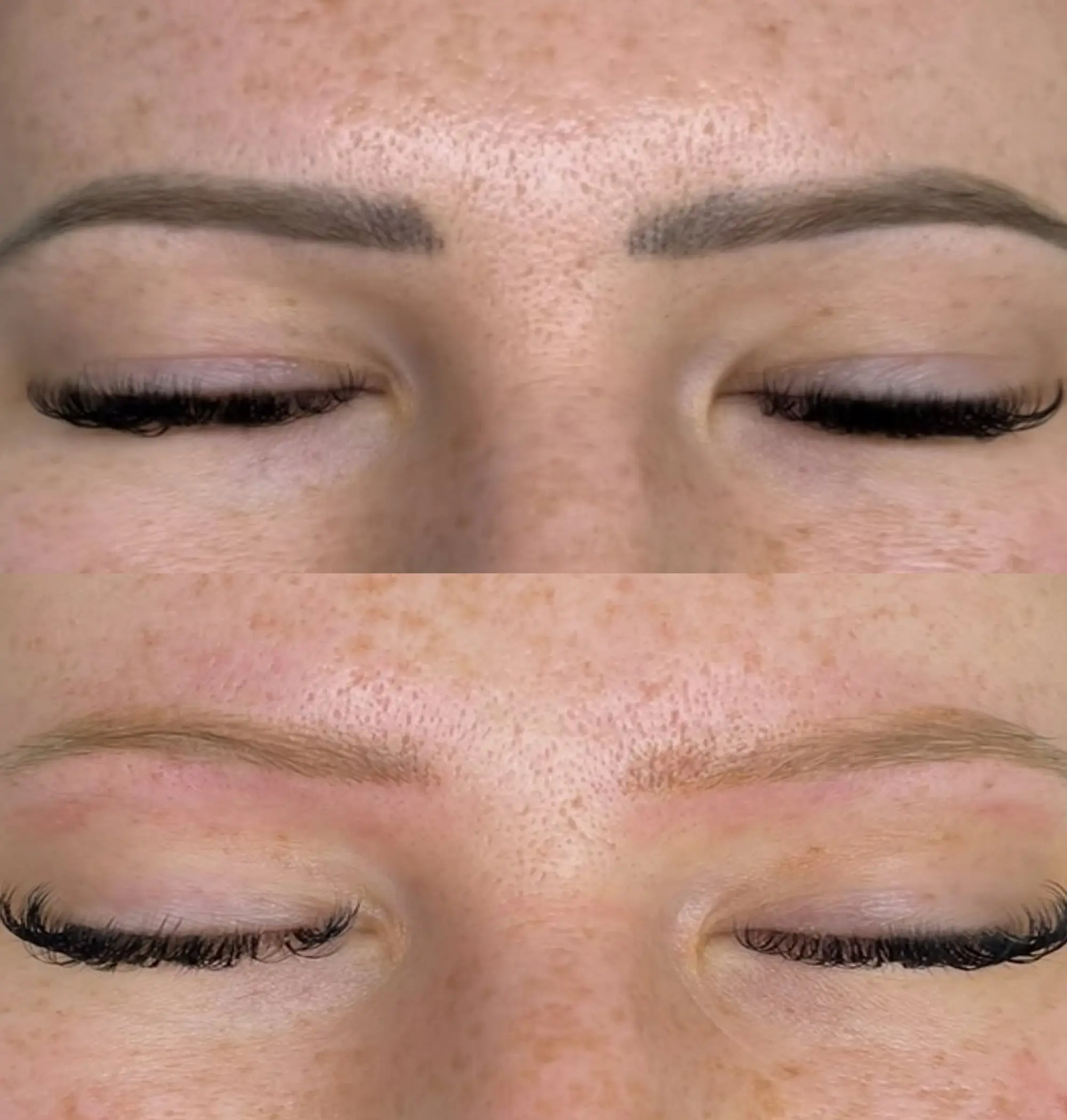
It’s not uncommon for the treated area to look darker before it looks actually starts to improve – that can be normal inflammation or just the skin clearing out old debris – or it could be temporary pigmentation, either way, it’s not always a guarantee.
Pre-Appointment Habits That Help Skin Recover Better
People think the aftercare bit starts when you leave the clinic – but the truth is, you can start on the right foot before you even get there, just by being prepared & taking care of yourself beforehand – it reduces irritation. It makes the whole recovery a lot easier.
Recommended Preparation Steps
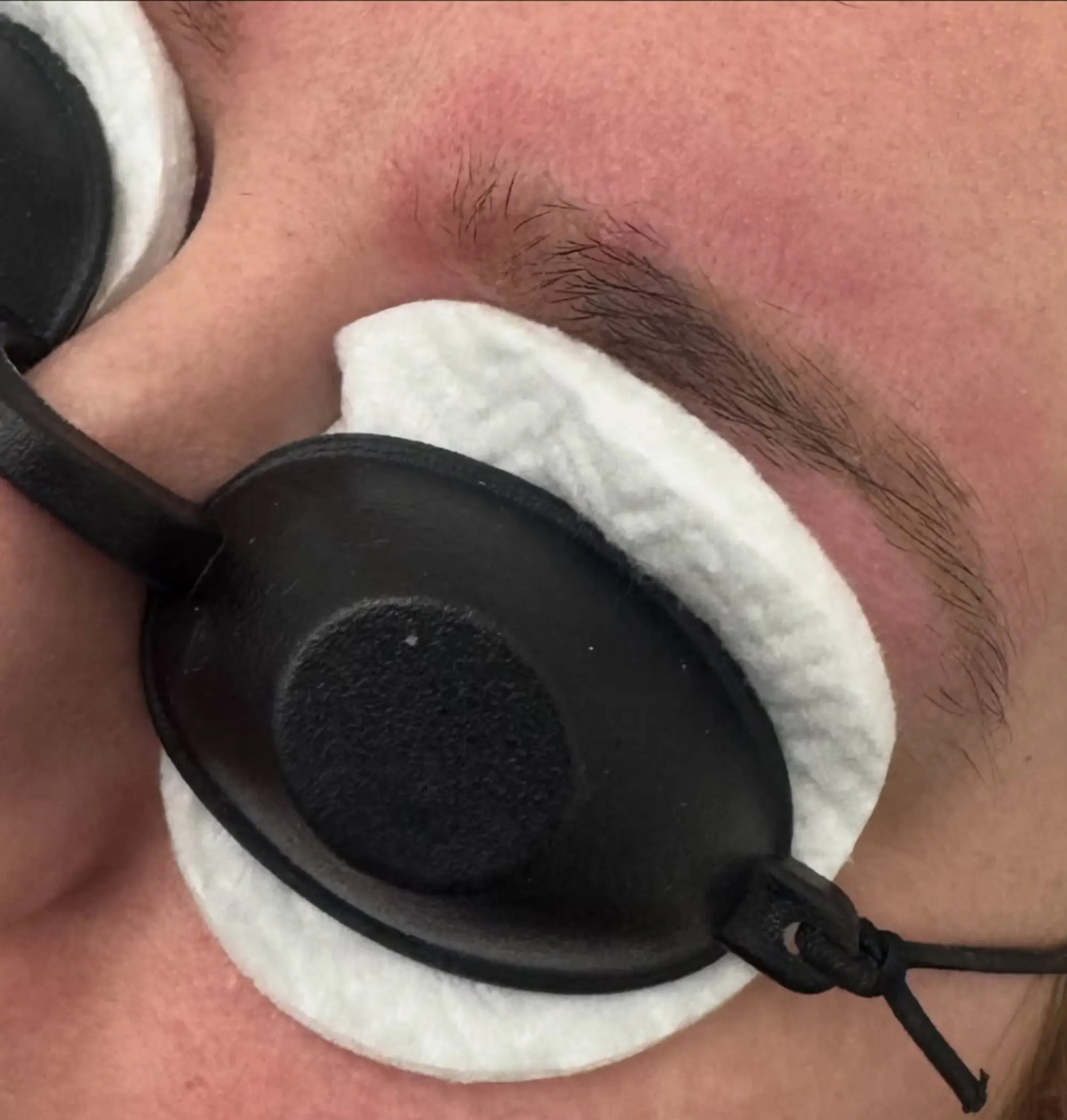
| Protocol | Why It Helps | Typical Timing |
| Avoid sun exposure | Reduces sensitised skin and pigment activity | 1–2 weeks before |
| Pause retinoids/acids | Lowers irritation risk | 5–7 days before |
| Avoid fake tan | Helps with accurate colour assessment | 1 week before |
| Hydrate the skin barrier | Supports recovery | Ongoing |
| Full client consultation | Reviews the healing risk and history | Before booking |
| Patch test if needed | Helpful for reactive skin | As advised |
At Cosmetic Tattoo Studio Melbourne Face Figurati, I review healing history, allergies, and previous cosmetic tattooing carefully so that treatment plans suit the individual.
Daily UV Protection Is Your Best Insurance Policy
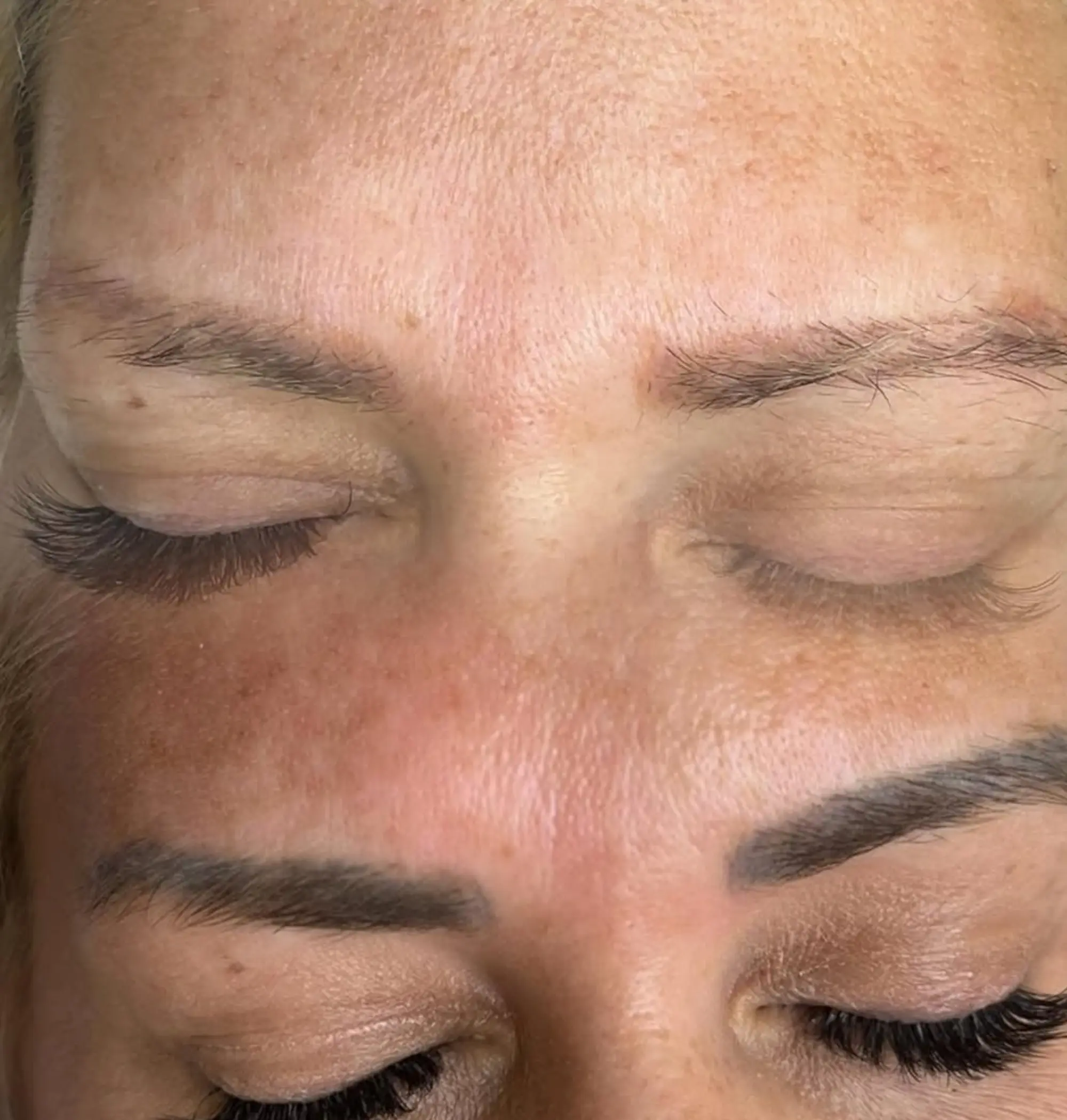
If I had to pick just one thing you can’t live without, it’s protecting yourself from the sun.
UV levels in Australia are as strong as they come, and Melbourne’s unpredictable weather means you can be caught out at a moment’s notice – nice and cool in the morning, then bright and sunny by lunchtime and before you know it, you’ve got sunburn to contend with.
Gold Standard Protection Plan
- Avoid direct sun during active healing (7–14 days minimum)
- Wear a hat and sunglasses outdoors
- Once skin is closed, apply SPF50 sunscreen daily
- Reapply if spending time outside
- Skip tanning beds completely
Even a casual walk to grab a coffee can be enough to cause problems for vulnerable skin that’s still healing.
Barrier Support Works Better Than Overdoing Products
Dry skin is one thing, but over-moisturising is another. Healthy skin is all about balance.
Ideal Moisture Balance
- Don’t go overboard with the product – a thin layer is all you need
- Reapply as directed, but don’t feel the need to do it every five minutes
- Let the skin breathe – it needs a bit of air to heal properly
- Keep those showers nice and short, with lukewarm water – no harsh temperatures
- And no soaking the area – a quick rinse is all you need
If your skin is looking greasy, swollen, and irritated from too much product, it’s time to stop and reassess.
Common Mistakes During The Flaking Stage
This is the stage where things can get a bit tricky – tightness, flakes, and, for some reason, impatience. Don’t even think about picking at those scabs – please just don’t.
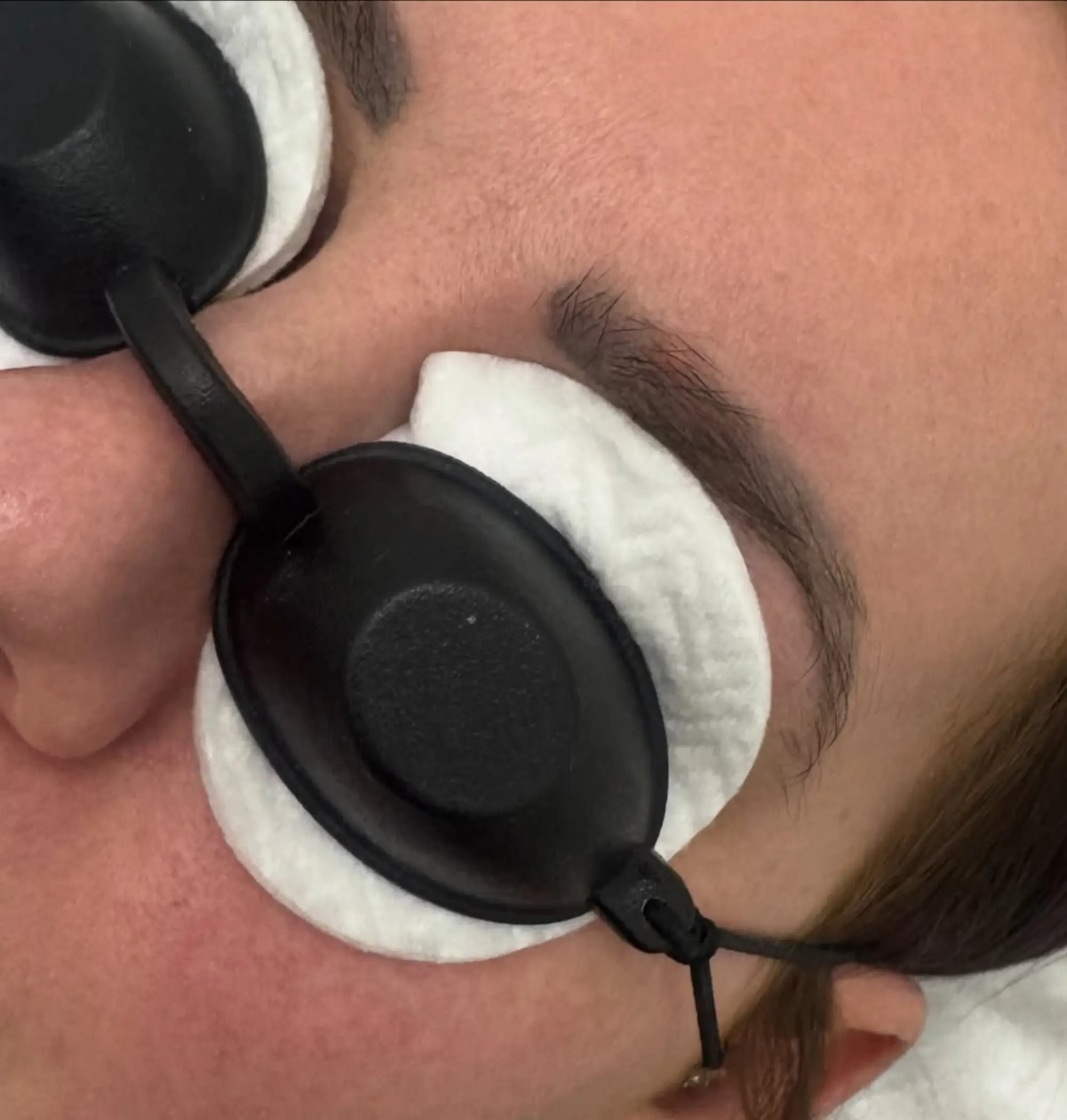
Never Pick Or Peel
Picking at scabs is just a recipe for disaster – it increases the risk of infection, prolongs the healing process and can even leave you with uneven healing.
Pause Strong Skincare
- Retinol
- AHAs/BHAs
- Strong vitamin C if stinging
- Exfoliants
- Chemical peels
Delay Heat And Sweat
- Saunas
- Long hot showers
- Intense cardio
- Chlorinated pools
At Face Figurati, I’d rather you skip one gym class than deal with months of avoidable problems down the line.
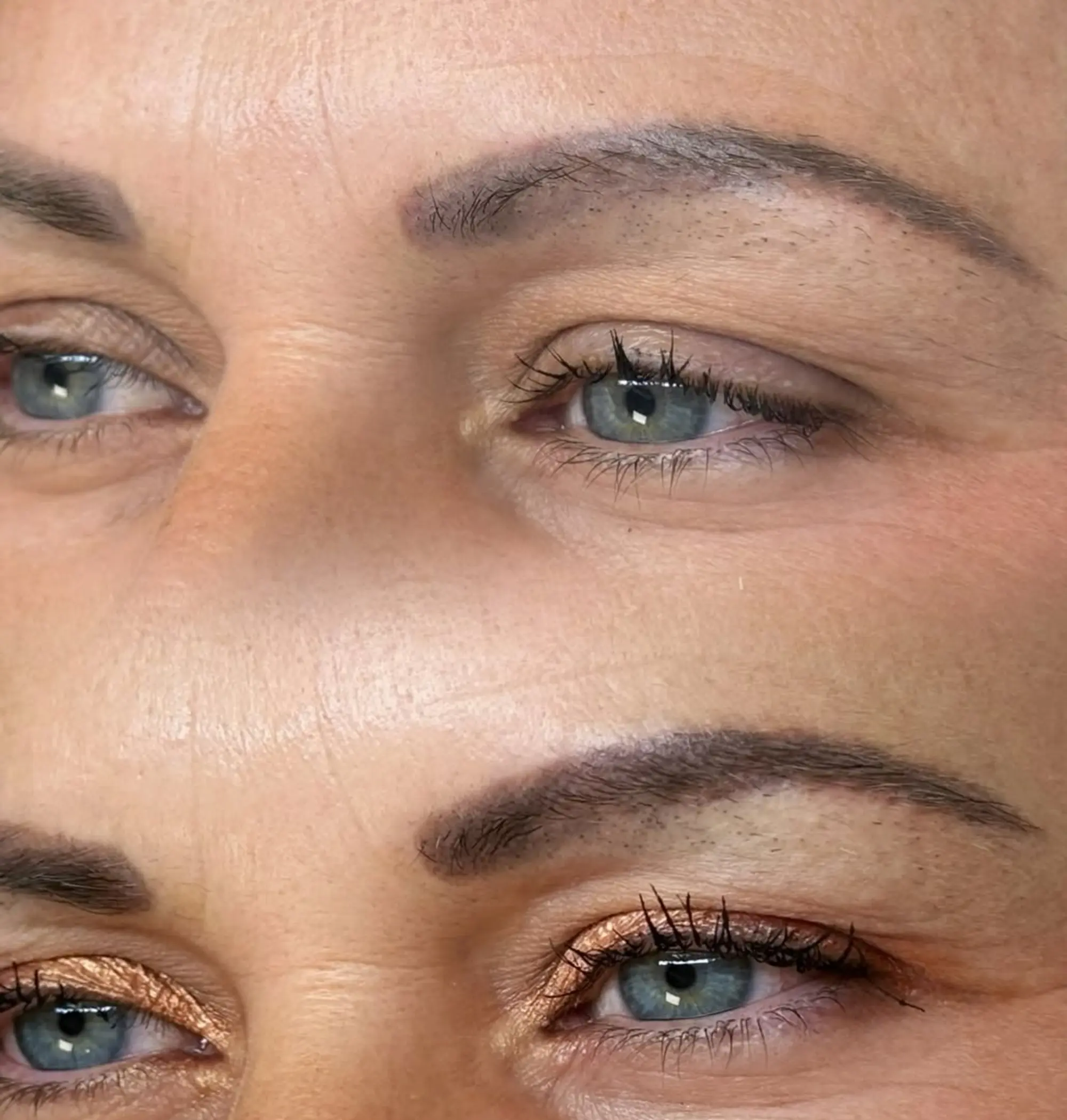
Why Laser Clients Need Extra Cooling And Patience
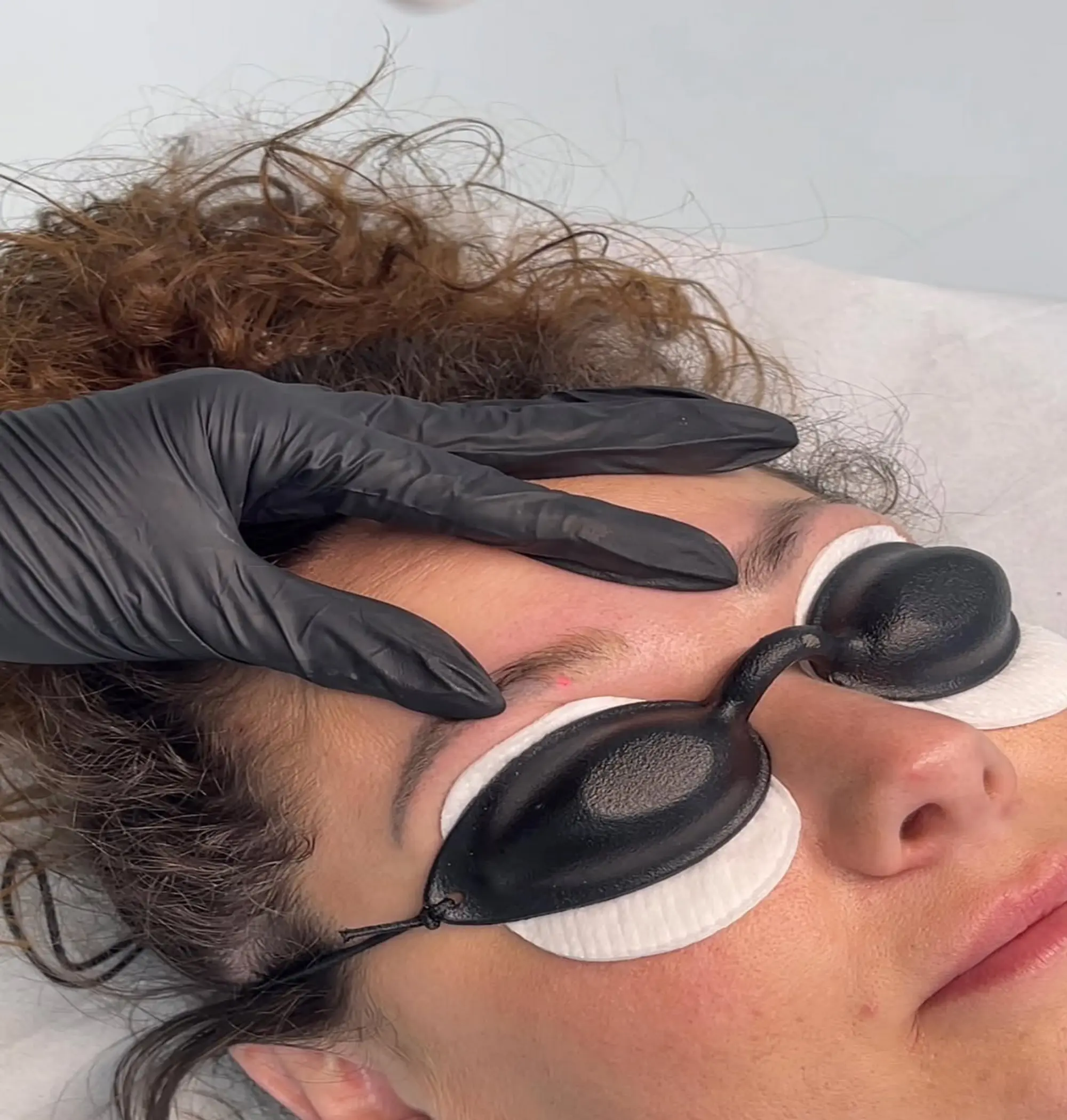
When you’re getting laser tattoo removal, aftercare becomes even more important because that laser energy is breaking down those ink particles using controlled heat – it’s a delicate process.
Well-trained practitioners study laser safety, handpiece control, tattoo depth, colour response, and cooling methods during a cosmetic tattoo removal course. Strong planning reduces excess irritation.
The number of sessions you’ll need depends on a few factors: the size and depth of your tattoo, the colour of the ink, your skin tone, the treatments you’ve had before, and how your immune system responds. No one worthy of the title “honest clinician” is going to promise you one session is all you need – that’s just not how it works.
A Real Melbourne Example From The Studio
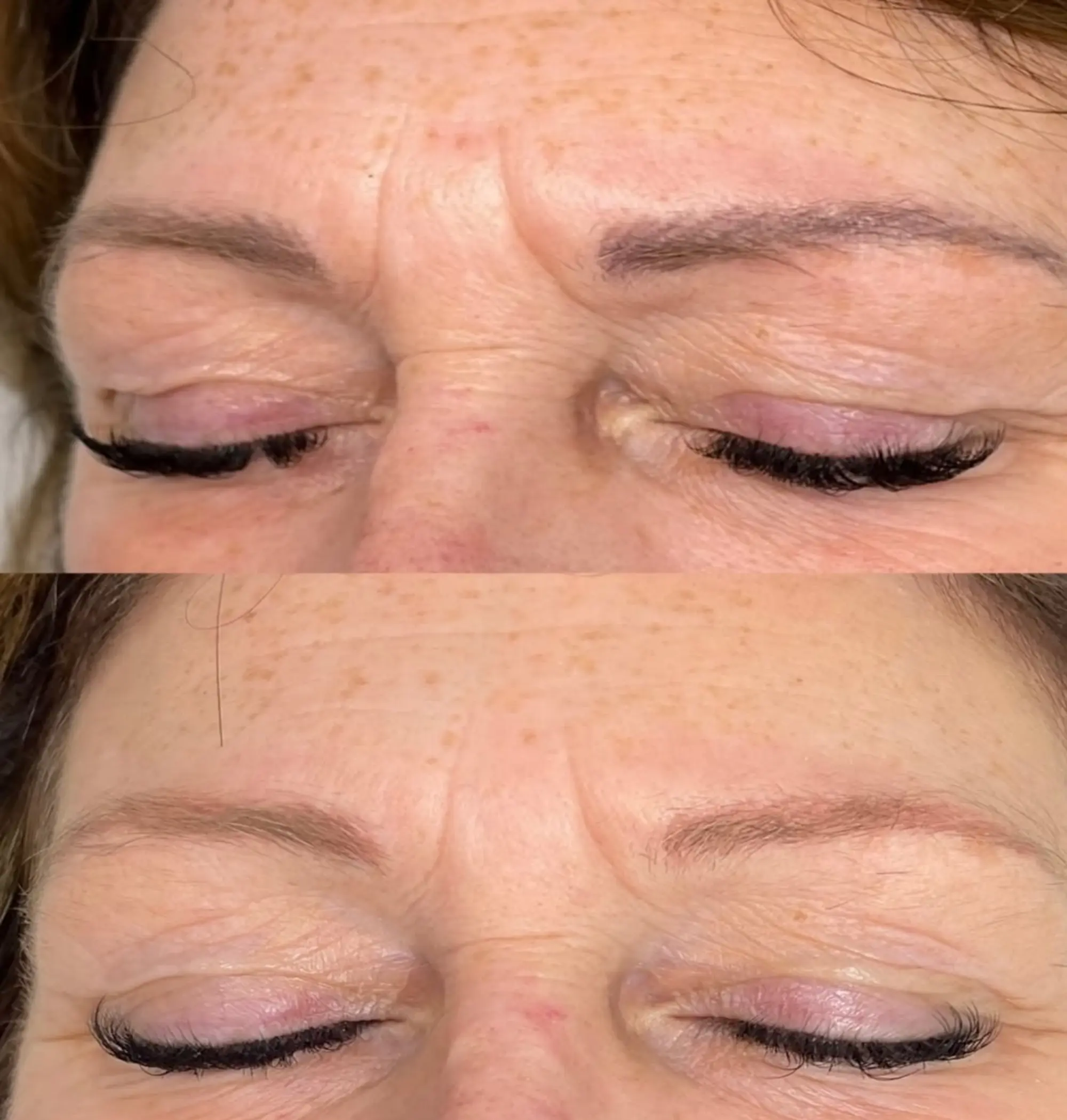
A client came to us after trying to remove her unwanted brow elsewhere – her skin initially healed up pretty well, but then started looking a bit patchy with dark spots appearing about two weeks later.
The cause? A run out into the great outdoors (a cloudy Melbourne day – you know the sort), no hat on and no sunscreen – a classic Melbournian mistake.
Good on us for catching on quickly. We put the removal sessions on hold for a bit, focused on repairing the skin barrier, getting the UV protection sorted, and keeping a close eye on things. And you know what? The pigmentation gradually faded away.
What Better Training In 2026 Focuses On
The industry’s definitely improved, and it’s all about prioritising skin health outcomes now – not just chugging along and removing pigment as fast as possible.
Modern Course Priorities
- Getting a good understanding of skin types.
- Improving the spacing between sessions so you don’t end up with patchy skin.
- Making sure the laser settings won’t cause too much irritation.
- Focusing on getting your skin barrier back in order.
- Actually, following the evidence on preventing pigmentation.
- Making sure the client knows what they’re getting themselves into with honest consent.
- Safe work practices and avoiding infections – no brainer.
- And making sure we’re all complying with the Australian rules for laser use.
If anyone says you’ll have “zero risk” just hang up the phone – it’s fantasy.
Signs You Should Check In With Your Practitioner
No, don’t go digging through random online comments in the middle of the night.
If you notice any of the following, it’s time to get back in touch with your practitioner pronto:
- Redness starts to appear after the initial improvement
- There are oozing or signs of infection
- Severe itching or a rash crops up
- The dark patches start to get bigger
- Healing’s delayed
- Pain is getting worse after the initial couple of days
Early support can actually prevent some of the bigger problems.
Final Thoughts From Olha Po
Cosmetic tattoo removal can be super effective, but the real success measure is a healthy recovery. The best aftercare protocols taught in the 2026 cosmetic tattoo removal courses are all about the same thing: reducing inflammation, repairing the skin barrier, and respecting UV exposure. We’re all about guiding you through properly rather than rushing the treatment.
At Cosmetic Tattoo Studio Melbourne Face Figurati, we’d rather you take your time and do it right than rush you through treatment. Good skin responds to some patience.
FAQ
How Soon Can I Get Back To Exercise After A Session?
You’re usually good to go with light walking, but high-intensity exercise that makes you sweat loads? Best to delay that for a few days or get the all clear from your practitioner.
Why Does The Area Look Darker Before It Looks Better?
Temporary darkening can happen during the healing process. It doesn’t always mean you’ll be left with permanent pigmentation, but it does require monitoring.
Can I Use My Usual Skincare Straight Away?
Most people need to put their usual products on the shelf for a bit until the skin barrier has recovered – gentle is safer early on.
Does Every Tattoo Need Multiple Sessions To Remove?
Not always – results depend on the type of pigment, how deep it is, how old the tattoo is, and how your skin responds.
When Should I Book My Next Appointment?
Many clients wait 6-8 weeks, or even longer, for the skin to settle before another session.